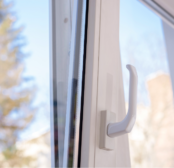
Tilt-and-turn windows open in two different ways using a single sash and handle. The window can tilt inward at the top for controlled ventilation or swing inward from the side for a wider opening, giving homeowners two operating options in one design.
Below, this European windows company in Whitefish Bay, Wisconsin is going to explain how tilt-and-turn windows work, what makes them different from more familiar styles, and which features homeowners should consider when comparing them.
What Happens When a Tilt-and-Turn Window Is Tilted?
In the tilt position, the top of the sash angles inward while the bottom remains secured in the frame.
This creates a smaller opening near the top that allows ventilation without opening the sash fully. A qualified European windows company in Whitefish Bay, Wisconsin can explain how the handle positions control the operating modes and how the hardware keeps the sash supported.
How Does the Turn Function Work?
In the turn position, the sash swings inward from side hinges much like a door.
This creates a larger opening than the tilt position and can provide generous airflow. Because the sash opens into the room, homeowners need enough clear interior space for it to operate freely.
The same handle controls both functions, although operation can vary somewhat by manufacturer and hardware system.
Why Do Homeowners Like Having Two Opening Options?
The two operating modes make the window adaptable.
The tilt position can be useful when you want moderate ventilation without opening the window widely. The turn position provides a larger opening when greater airflow or easier access to the glass is preferred.
For homeowners in the Whitefish Bay, Wisconsin area, that flexibility can be useful in rooms where ventilation needs change throughout the year.
Are Tilt-and-Turn Windows Easy to Clean?
They can make exterior glass easier to reach from inside the home.
When the sash is in the turn position, both sides of the glass may be more accessible than with styles that open outward or have fixed sections. This can simplify routine cleaning, particularly on upper levels.
Do Tilt-and-Turn Windows Seal Differently?
Tilt-and-turn windows commonly use compression seals around the sash.
When the window is closed and locked, the sash is pulled tightly against the seals at multiple points. This design can help limit air movement through the operating portions of the window.
Overall performance still depends on the frame, glass package, seals, hardware, and construction quality.
Can Tilt-and-Turn Windows Be Energy Efficient?
Yes. Tilt-and-turn windows can be designed for strong thermal performance.
Depending on the product, they may include insulated frames, double- or triple-pane glass, Low-E coatings, insulating gas, and multi-point locking hardware.
An experienced European windows company in Whitefish Bay, Wisconsin can help homeowners compare U-factor, solar heat gain coefficient, air leakage, and other performance ratings rather than judging efficiency by operating style alone.
Do Tilt-and-Turn Windows Look Different from Traditional Windows?
They can have a distinctive European appearance, but the overall look depends on the frame, proportions, color, glass, and hardware.
Tilt-and-turn windows typically use one large operable sash rather than the vertically sliding sections associated with double-hung windows. That can create a clean appearance with a relatively large glass area.
Are Tilt-and-Turn Windows Right for Every Room?
Not necessarily.
Because the sash swings inward in the turn position, furniture, window treatments, and nearby surfaces need to leave enough room for operation. The size and location of the window also matter.
Consider how you want the room to ventilate, how often you expect to use the full turn function, and whether the layout provides adequate clearance.
What Should I Compare When Choosing Tilt-and-Turn Windows?
Look beyond the operating mechanism itself.
Glass performance, frame construction, hardware quality, locking points, air leakage, dimensions, and appearance all contribute to the finished window.
At WASCO Windows, we help homeowners compare European-style window options based on performance goals, room layout, ventilation preferences, and Wisconsin weather.
Looking for a European Windows Company in Whitefish Bay, Wisconsin?
Tilt-and-turn windows combine a top-tilting ventilation position with a wider inward-swinging mode in one operable sash. A professional European windows company in Whitefish Bay, Wisconsin can help you compare the design, performance ratings, glass packages, and operating features available for your home.
At WASCO Windows, we offer European-style window options for homeowners interested in flexible operation and strong overall performance. Contact us to discuss your home and learn whether tilt-and-turn windows fit the way you want your windows to function.